TrkA
TrkA (tropomyosin receptor kinase A; encoded by NTRK1) is a high-affinity receptor tyrosine kinase for nerve growth factor (NGF) that regulates neuronal survival, differentiation, and sensory neuron function through ligand-induced receptor dimerization and autophosphorylation[1][2]. Mechanistically, NGF-TrkA signaling activates major downstream pathways including RAS/MAPK, PI3K/AKT, and PLCγ, thereby controlling transcriptional programs that support neuronal growth, maintenance, and synaptic function[1][2][3]. Through these signaling cascades, TrkA plays a central role in the development and maintenance of nociceptive neurons and contributes to neurotrophin-dependent cellular responses in the peripheral and central nervous systems[1][2]. In disease contexts, dysregulation of NGF/TrkA signaling has been implicated in chronic pain disorders and neurodegenerative conditions, including experimental models of Alzheimer's disease in which impaired TrkA signaling is associated with cholinergic neuronal dysfunction and synaptic deficits[3][4][5]. Compared with related neurotrophin receptors, TrkA is distinguished by its preferential activation by NGF, whereas TrkB primarily responds to BDNF and NT-4/5 and TrkC is activated predominantly by NT-3, enabling receptor-specific biological outcomes[6]. For experimental applications, both agonists and antagonists targeting the NGF-TrkA axis have been widely utilized to investigate neurotrophic signaling, neuronal survival mechanisms, and pain-related pathways, making TrkA an important molecular target in translational neuroscience research[4][5].
References:
- [1]. Norman BH, et al. Targeting the Nerve Growth Factor (NGF) Pathway in Drug Discovery. Potential Applications to New Therapies for Chronic Pain. J Med Chem. 2017 Jan 12;60(1):66-88. [Content Brief]
- [2]. Indo Y. NTRK1 Congenital Insensitivity to Pain with Anhidrosis. 2008 Aug 5 [updated 2020 Apr 30]. In: Adam MP, et al. GeneReviews® [Internet]. Seattle (WA): University of Washington, Seattle; 1993–2026. PMID: 20301726. [Content Brief]
- [3]. Latina V, et al. Impaired NGF/TrkA Signaling Causes Early AD-Linked Presynaptic Dysfunction in Cholinergic Primary Neurons. Front Cell Neurosci. 2017 Mar 15;11:68. doi: 10.3389/fncel.2017.00068. PMID: 28360840; PMCID: PMC5350152. [Content Brief]
- [4]. Baño V, et al. Characterization and Structural Performance in Bending of CLT Panels Made from Small-Diameter Logs of Loblolly/Slash Pine. Materials (Basel). 2018 Nov 30;11(12):2436. [Content Brief]
- [5]. Mantyh PW, et al. Antagonism of nerve growth factor-TrkA signaling and the relief of pain. Anesthesiology. 2011 Jul;115(1):189-204. [Content Brief]
- [6]. Clinical Guidelines on the Identification, et al. National Institutes of Health. Obes Res. 1998 Sep;6 Suppl 2:51S-209S. Erratum in: Obes Res 1998 Nov;6(6):464. PMID: 9813653. [Content Brief]
-
TrkA Related Products (77)
Related Products (77)

-
Antibodies (4)
-
Larotrectinib
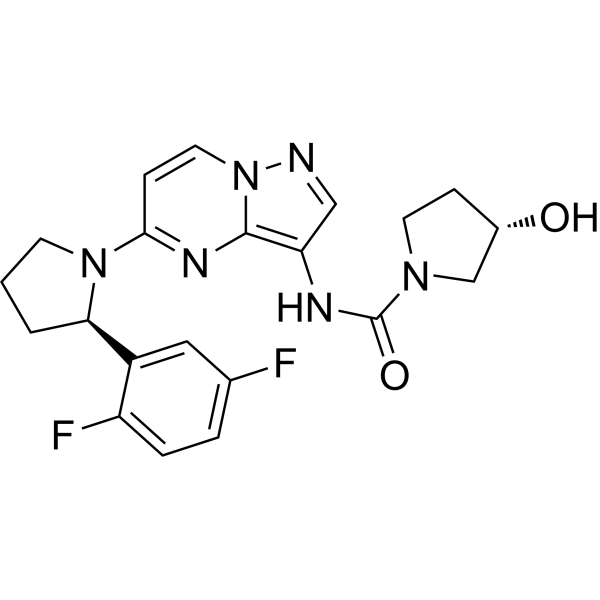 0 ImagesSynonyms: LOXO-101; ARRY-470
-
Repotrectinib
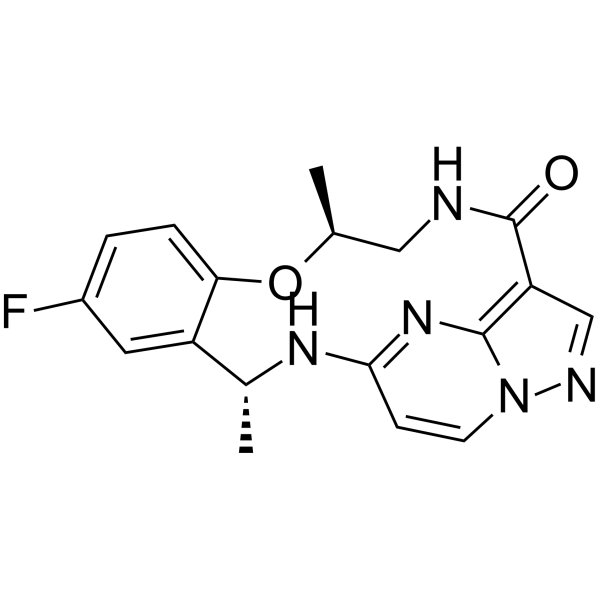 0 ImagesSynonyms: TPX-0005; Ropotrectinib
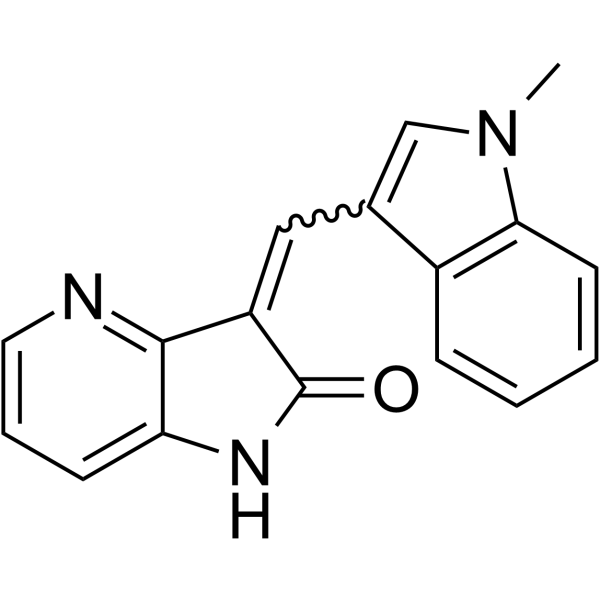
-
Amitriptyline
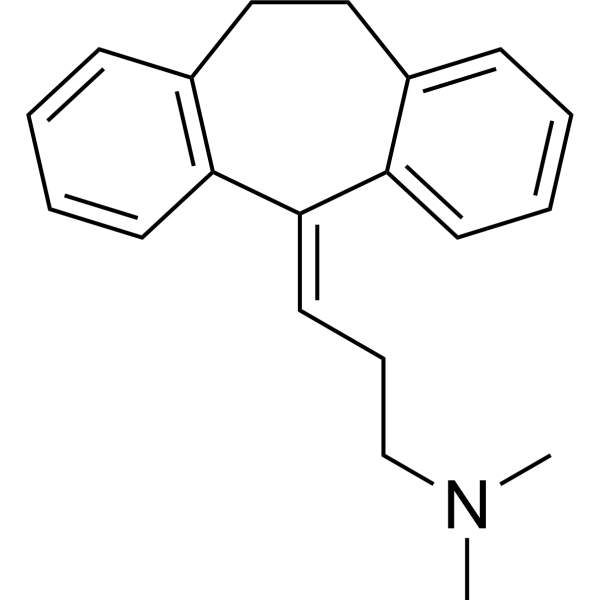 0 ImagesAmitriptyline is an orally active tricyclic antidepressant (TCA). Amitriptyline mainly exerts its antidepressant effect by blocking SERT (Ki = 3.45 nM) and NET (Ki = 13.3 nM), thereby increasing the concentrations of 5-hydroxytryptamine (5-HT) and norepinephrine (NE) in the synaptic cleft. Amitriptyline is also an agonist at α2A and TrkA/TrkB receptors, thereby exerting analgesic and neurotrophic activities (inhibiting cell apoptosis). Amitriptyline can reduce inflammation, angiogenesis and fibrosis. Amitriptyline binds to DAT (with Ki = 2.58 μM). Amitriptyline has high affinity for a series of receptors and can antagonize muscarinic cholinergic receptors (M1/M2/M3/M4/M5 receptors) (Ki = 11-24 nM), H1 receptors (Ki = 0.5-1.1 nM), adrenergic α1 receptors (Ki = 4.4 nM), etc., resulting in a series of side effects. Amitriptyline can block sodium channels and hERG potassium channel (IC50 = 4.78 μM) and it has cardiotoxicity.
-
Amitriptyline hydrochloride
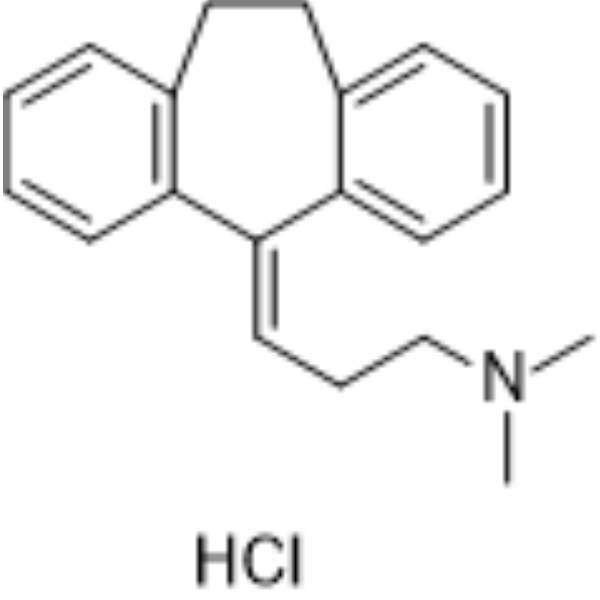 0 ImagesAmitriptyline hydrochloride is an orally active tricyclic antidepressant (TCA). Amitriptyline hydrochloride mainly exerts its antidepressant effect by blocking SERT (Ki = 3.45 nM) and NET (Ki = 13.3 nM), thereby increasing the concentrations of 5-hydroxytryptamine (5-HT) and norepinephrine (NE) in the synaptic cleft. Amitriptyline hydrochloride is also an agonist at α2A and TrkA/TrkB receptors, thereby exerting analgesic and neurotrophic activities (inhibiting cell apoptosis). Amitriptyline hydrochloride can reduce inflammation, angiogenesis and fibrosis. Amitriptyline hydrochloride binds to DAT (with Ki = 2.58 μM). Amitriptyline hydrochloride has high affinity for a series of receptors and can antagonize muscarinic cholinergic receptors (M1/M2/M3/M4/M5 receptors) (Ki = 11-24 nM), H1 receptors (Ki = 0.5-1.1 nM), adrenergic α1 receptors (Ki = 4.4 nM), etc., resulting in a series of side effects. Amitriptyline hydrochloride can block sodium channels and hERG potassium channel (IC50 = 4.78 μM) and it has cardiotoxicity.
-
Amitriptyline hydrochloride (Standard)
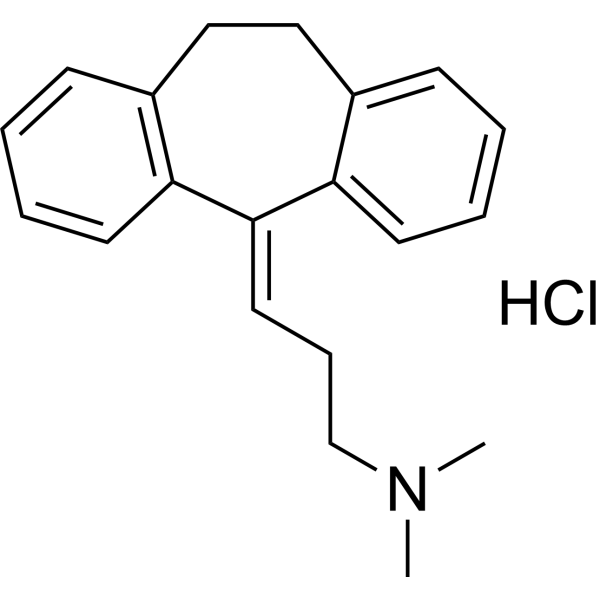 0 ImagesAmitriptyline hydrochloride (Standard) is the analytical standard of Amitriptyline hydrochloride (HY-B0527A). This product is intended for research and analytical applications. Amitriptyline hydrochloride is an orally active tricyclic antidepressant (TCA). Amitriptyline hydrochloride mainly exerts its antidepressant effect by blocking SERT (Ki = 3.45 nM) and NET (Ki = 13.3 nM), thereby increasing the concentrations of 5-hydroxytryptamine (5-HT) and norepinephrine (NE) in the synaptic cleft. Amitriptyline hydrochloride is also an agonist at α2A and TrkA/TrkB receptors, thereby exerting analgesic and neurotrophic activities (inhibiting cell apoptosis). Amitriptyline hydrochloride can reduce inflammation, angiogenesis and fibrosis. Amitriptyline hydrochloride binds to DAT (with Ki = 2.58 μM). Amitriptyline hydrochloride has high affinity for a series of receptors and can antagonize muscarinic cholinergic receptors (M1/M2/M3/M4/M5 receptors) (Ki = 11-24 nM), H1 receptors (Ki = 0.5-1.1 nM), adrenergic α1 receptors (Ki = 4.4 nM), etc., resulting in a series of side effects. Amitriptyline hydrochloride can block sodium channels and hERG potassium channel (IC50 = 4.78 μM) and it has cardiotoxicity.

-
Sitravatinib
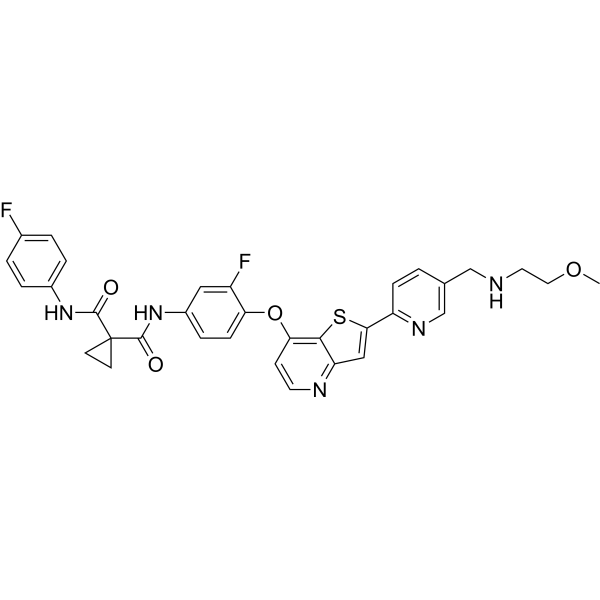 0 ImagesSynonyms: MGCD516; MG-516Sitravatinib (MGCD516) is an orally bioavailable receptor tyrosine kinase (RTK) inhibitor with IC50s of 1.5 nM, 2 nM, 2 nM, 5 nM, 6 nM, 6 nM, 8 nM, 0.5 nM, 29 nM, 5 nM, and 9 nM for Axl, MER, VEGFR3, VEGFR2, VEGFR1, KIT, FLT3, DDR2, DDR1, TRKA, TRKB, respectively. Sitravatinib shows potent single-agent antitumor efficacy and enhances the activity of PD-1 blockade through promoting an antitumor immune microenvironment.
-
GNF-5837
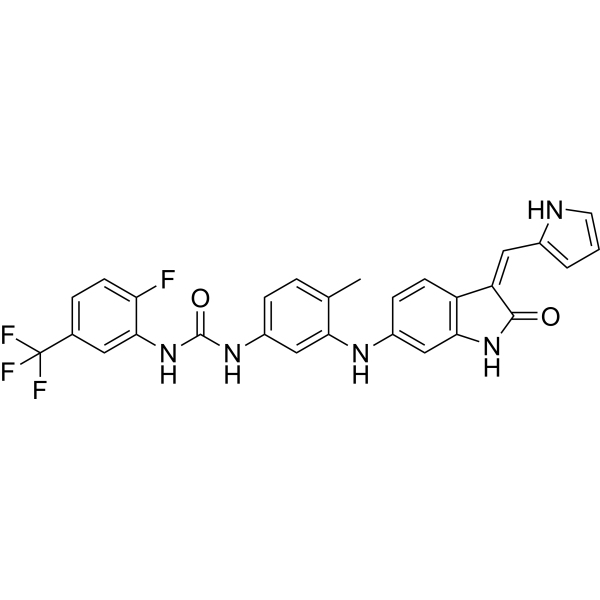 0 ImagesGNF-5837 is a potent, selective, and orally bioavailable pan-tropomyosin receptor kinase (TRK) inhibitor which display antiproliferative effects in cellular Ba/F3 assays ( IC50 values of 7 nM, 9 nM and 11 nM for cells containing the fusion proteins Tel-TrkC, Tel-TrkB and Tel-TrkA, respectively) .
-
Lestaurtinib
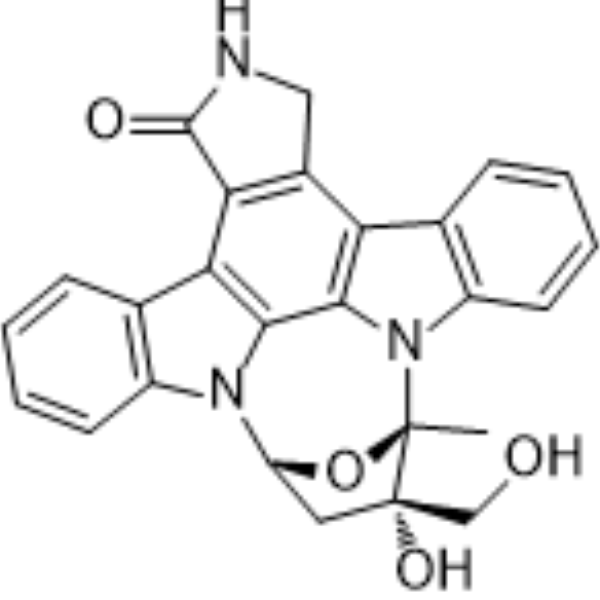 0 ImagesSynonyms: CEP-701; KT-5555Lestaurtinib (CEP-701) is an orally active and selective RPTKs (receptor protein tyrosine kinase) inhibitor, competitively inhibits ATP binding to the TrkA/B/C domain. Lestaurtinib inhibits RPTKs phosphorylation, with IC50s of 2, 25 and 0.9 nM for FLT3, TrkA and JAK2, respectively. Lestaurtinib induces apoptosis and cycle arrest, also can inhibit growth of tumor.
-
Larotrectinib sulfate
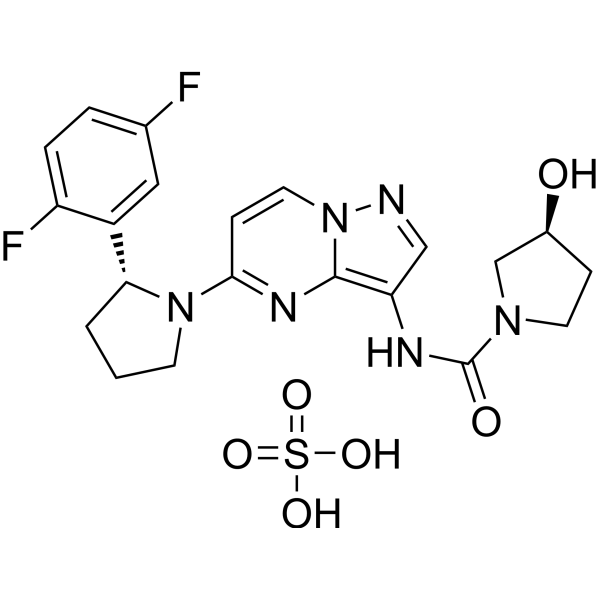 0 ImagesSynonyms: LOXO-101 sulfate; ARRY-470 sulfate
-
Tamnorzatinib
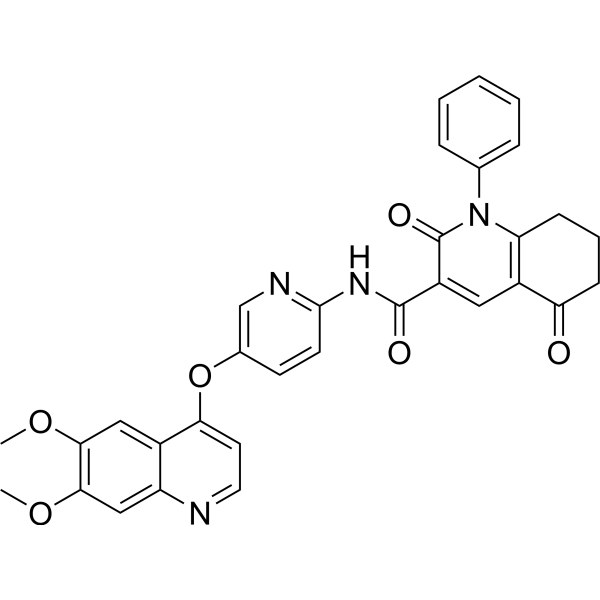 0 ImagesSynonyms: ONO-7475Tamnorzatinib (ONO-7475) is a potent, selective, and orally active Axl/Mer inhibitor with IC50 values of 0.7 nM and 1.0 nM, respectively. Tamnorzatinib sensitizes AXL-overexpressing EGFR-mutant NSCLC cells to the EGFR-TKIs, suppresses the emergence and maintenance of tolerant cells. Tamnorzatinib combines with Osimertinib (HY-15772) provides a bright promise for the study of EGFR-mutated non-small cell lung cancer (NSCLC).
-
Ganglioside GM1
 0 ImagesGanglioside GM1 is a type of glycosphingolipid, mainly found on the cell membranes of the central nervous system of vertebrates. Ganglioside GM1 exerts neuroprotective effects by reducing excessive activation of NMDAR, activating TrkA and ERK1/2, and inhibiting oxidative stress and cell apoptosis and autophagy. Ganglioside GM1 can be used in the research of diseases such as traumatic brain injury, Parkinson's disease, Alzheimer's disease, and Huntington's disease.
-
Tyrphostin AG 879
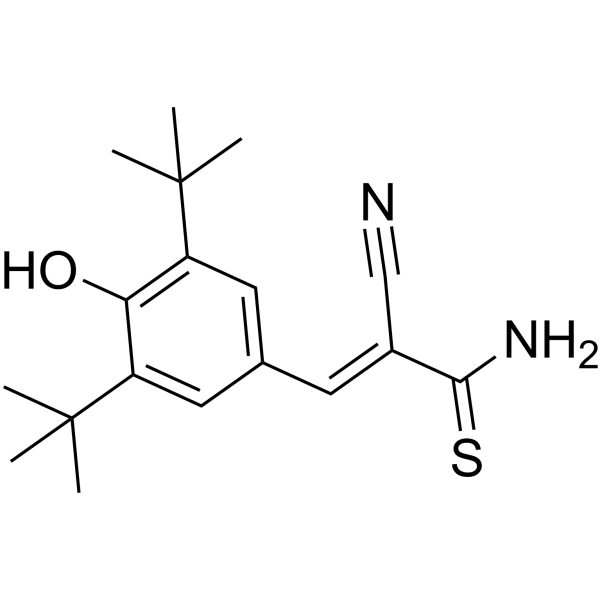 0 ImagesSynonyms: AG 879Tyrphostin AG 879 (AG 879) is a tyrosine kinase inhibitor that inhibits TrKA phosphorylation (IC50 of 10 μM), but not TrKB and TrKC. Tyrphostin AG 879 is also a selective ErbB2 tyrosine kinase inhibitor with an IC50 of 1 μM, and has at least 500-fold higher selectivity to ErbB2 than EGFR. Tyrphostin AG 879 has anticancer activity.